
Why Illustrators Borrowed Composition Rules From 1800s Photographers
Camera constraints became drawing principles
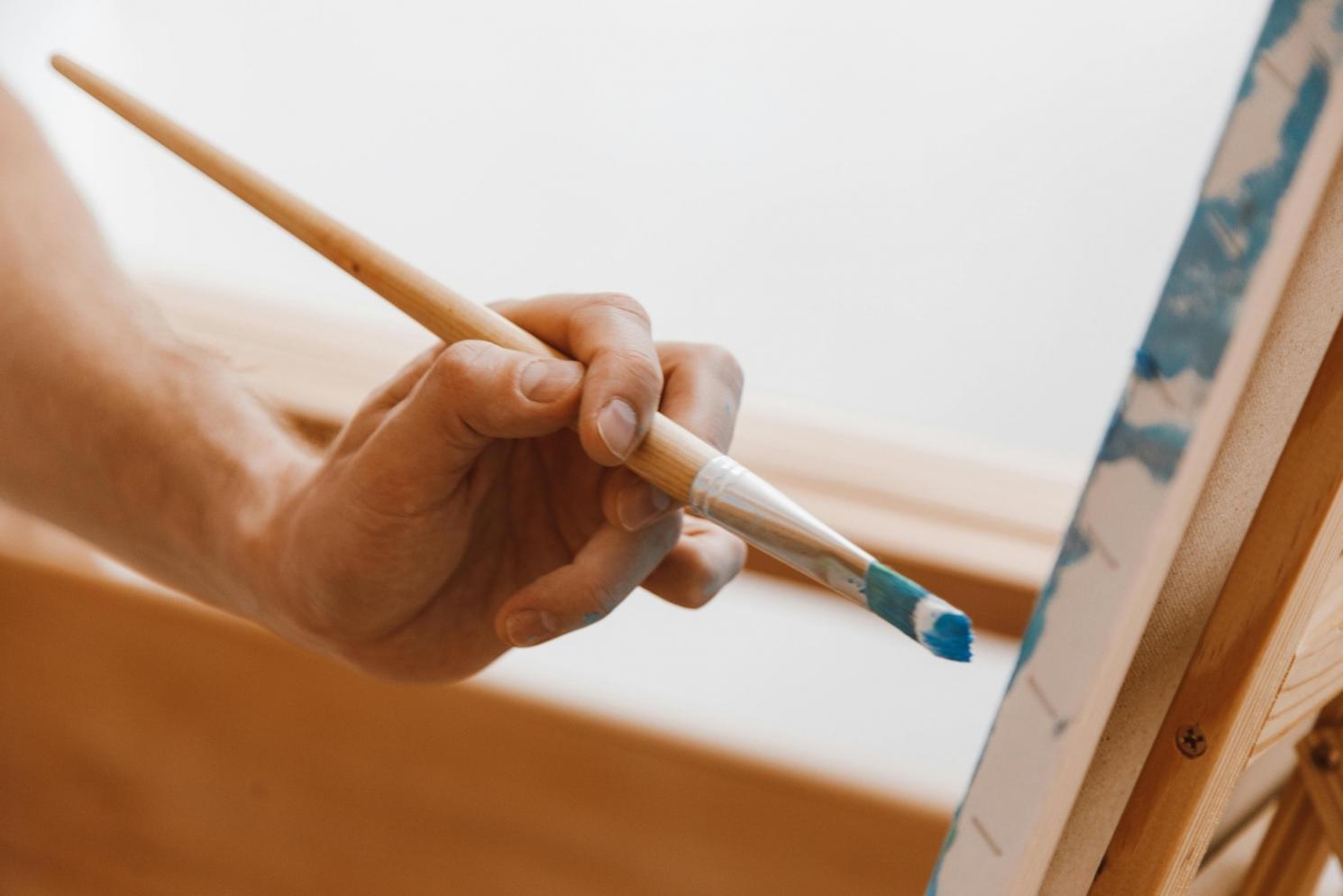
Before cameras, painters composed intuitively or followed classical proportions like the golden ratio. Then photography arrived in 1839 and forced a reckoning: you couldn't rearrange reality after clicking the shutter. Photographers developed framing rules fast.
The rule of thirds emerged around 1797 in painting but became doctrine through photography by the 1850s. Position your subject one-third from the frame edge, not dead center. Horizon lines go on the upper or lower third, never middle. These weren't aesthetic theories but practical guidelines for cameras with fixed viewfinders.
By 1900, art schools taught these photographic principles to illustrators. The logic was simple: if photographers created compelling images under mechanical constraints, those same rules could strengthen deliberately composed artwork.
Motion picture cinematography in the 1920s added more concepts: leading lines, negative space, depth layering through foreground-midground-background separation. All migrated into illustration curricula.
Digital illustration tools now overlay these grids automatically. You can toggle rule-of-thirds guides or phi grid overlays before placing elements. The composition rules haven't changed in 150 years, just the speed of applying them.
Want to Learn More?
Explore our illustration fundamentals masterclasses and start your creative journey with expert guidance.
Get in Touch